
2026 is the New 2016: Why Gen Z is Ditching Digital Perfection for Raw Authenticity
Ever scrolled through your feed and felt like you’ve time-travelled? Welcome to 2026, where your Instagram might look suspiciously like 2016. And honestly? It’s brilliant.
If you’ve noticed your mates posting grainy selfies, bringing back Snapchat filters, or sharing those deliciously chaotic photo dumps, you’re witnessing something massive. Gen Z has collectively decided that 2026 is the new 2016. But this isn’t just nostalgia for nostalgia’s sake.
It’s a full-blown rebellion against digital perfection.
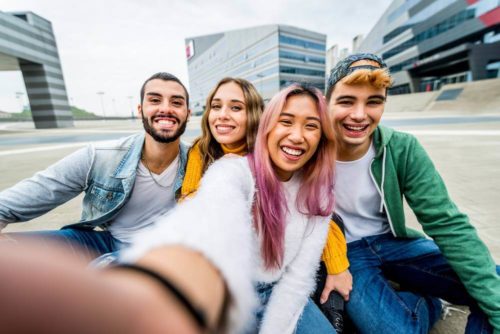
The Great Digital Reset: What “2026 is the New 2016” Actually Means
Picture it being 2016. Your biggest worry is whether your story has enough views. Your selfies are slightly blurry, your captions are unfiltered thoughts, and nobody’s using AI to perfect their skin. Life feels a bit more genuine.
Fast forward to today, and social media has become a kind of hyper-curated nightmare. Every photo looks like a magazine cover. Every story feels scripted. Every relationship looks like a soft launch dating aesthetic designed for maximum engagement.
But something has snapped.
“In a massive rejection of hyper-realistic AI and curated perfection, Gen Z and Millennials have declared that ‘2026 is the new 2016,'” explains digital culture researcher Dr Sarah Chen from King’s College London. “This isn’t just about aesthetics. It’s about reclaiming authenticity in digital spaces.”
The movement started as a joke. Someone posted a low-res selfie with the caption “2026 is the new 2016”, and suddenly everyone was doing it. But jokes have a way of revealing deeper truths, don’t they?
Why Students Are Leading the Charge Back to Digital Authenticity
University life in 2026 looks different. Where once students felt pressure to document every moment perfectly, now they’re embracing the beautifully imperfect.
“I was exhausted,” says Emma, a second-year student at the University of Manchester. “Every photo had to be perfect, every story had to show how amazing my life was. But my actual life? It was messy, stressful, and real. The disconnect was killing me.”
Emma’s not alone. Recent research from the McKinsey Health Institute found that Gen Z’s relationship with social media has fundamentally shifted. Students are actively seeking platforms and content that feel genuine rather than polished.
Here’s what the 2016 revival actually looks like in practice:
Low-res selfies are back: Forget ring lights and perfect angles. Students are posting grainy, authentic photos that capture real moments.
Chaotic photo dumps: Instead of carefully curated grids, feeds are filled with random collections of photos that tell actual stories.
Unfiltered captions: Stream-of-consciousness writing is replacing carefully crafted copy. Typos included.
Real-time posting: No more scheduling posts for optimal engagement. If something happens, it gets shared immediately.
The Psychology Behind the Authenticity Movement
But here’s the thing. This isn’t just about aesthetics or trends. There’s serious psychology at play.
Dr James Mitchell, a digital wellness researcher at the University of Oxford, explains: “We’re seeing a generation that grew up with social media experiencing what I call ‘perfection fatigue.’ The constant pressure to present an idealised version of themselves has created genuine mental health challenges.
The numbers back this up. A 2025 study found that 52% of Gen Z attempted to quit social media entirely, citing pressure to maintain a perfect online persona as a primary factor.
Think about your own Instagram soft launch moments. How many times have you crafted the perfect caption, only to delete it and post something simpler? How often do you scroll through your camera roll, rejecting perfectly good photos because they’re not “Instagram-worthy”?
The 2016 revival is permitting students to be imperfect again.
How This Trend is Reshaping Gen Z Relationship Dynamics
Perhaps nowhere is this shift more obvious than in how students approach relationships and dating.
The soft launch dating aesthetic that dominated 2024 and early 2025, you know, those mysterious glimpses of a partner without revealing their identity is being replaced by something more direct. Not necessarily hard launches, but definitely more honest ones.
“Private relationships Gen Z style used to mean elaborate soft launches,” explains relationship researcher Dr Priya Patel from LSE. “Now it means actually keeping things private, rather than creating content around the privacy itself.
Students are sharing real moments instead of curated glimpses. Two coffee cups on a table? Sure, but now it comes with a caption like “he spilt his latte everywhere, and we both laughed until we cried” instead of a mysterious emoji.
The Gen Z relationship trend isn’t about hiding anymore. It’s about sharing authentically.
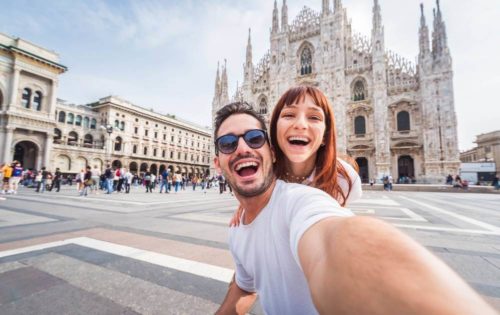
5 Ways to Embrace the 2016 Revival (Without Looking Like You’re Trying Too Hard)
Want to join the movement? Here’s how to do it authentically:
Post in real-time
Stop scheduling your posts. If you’re having a good time, share it immediately. The timestamp becomes part of the authenticity.
Embrace the blur
Not every photo needs to be crystal clear. Sometimes, the slightly out-of-focus shot captures the energy better than the perfect one.
Write as you talk
Ditch the carefully crafted captions. Write like you’re texting your best mate. Incomplete sentences are welcome.
Share the mundane
Your messy desk during exam season. The weird thing your flatmate said. The random Tuesday that turned out brilliant. Real life is interesting.
Stop editing everything
Post the photo with the weird lighting. Share the video where you stumble over your words. Perfection is overrated.
The Deeper Cultural Shift: From Performance to Connection
What we’re really witnessing is a fundamental shift in how young people view the purpose of social media.
“2016 social media was about connection,” notes digital anthropologist Dr Marcus Thompson from the University of Edinburgh. “2024 social media became about performance. 2026 is about returning to connection, but with the wisdom of having experienced both.”
This isn’t just nostalgia. It’s evolution.
Students who grew up with social media are now old enough to recognise its impact on their mental health, their relationships, and their sense of self. The 2016 revival represents a conscious choice to prioritise wellbeing over engagement metrics.
But here’s what makes this movement particularly interesting: it’s not anti-technology. Gen Z isn’t abandoning social media entirely. They’re reshaping it.
What This Means for Student Life in 2026
The implications go beyond Instagram posts. This authenticity movement is changing how students approach everything from friendships to career building.
University societies are seeing more genuine engagement. Instead of joining clubs for the Instagram opportunities, students are choosing activities that actually interest them. Revolutionary, right?
Dating apps are adapting too. Profiles are becoming more honest, less curated. “Looking for someone who won’t judge my 3 am Tesco runs” is replacing “Love hiking and wine” (when you’ve never hiked and prefer cider).
Even academic pressure is shifting. Students are more willing to admit when they’re struggling, to ask for help, and to acknowledge that university isn’t always the “best years of your life.”
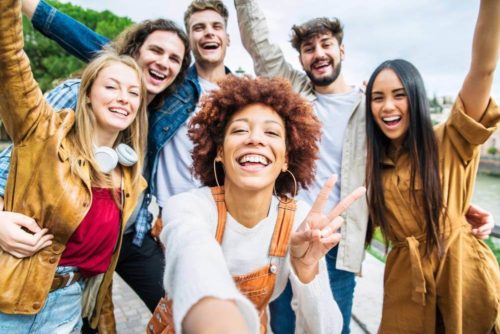
The Global Impact: Why This Trend Matters Beyond Social Media
This movement extends far beyond individual posts or personal brands. It’s reshaping entire industries.
Fashion brands are scrambling to understand “authentic” marketing. Beauty companies are rethinking their approach to perfection. Even universities are reconsidering how they present student life in their marketing materials.
“We’re seeing a generation that values transparency over aspiration,” explains consumer behaviour expert Dr Lisa Rodriguez from the University of Cambridge. “This has massive implications for how brands, institutions, and even governments communicate with young people.”
The trend is also international. Students in Manchester are posting the same low-res selfies as their counterparts in Melbourne, Mumbai, and Montreal. It’s a global rejection of digital perfectionism.
Potential Challenges: When Authenticity Becomes Performance
But let’s be real for a moment. Every trend carries risks.
There’s already evidence of “performed authenticity”, people carefully crafting their “authentic” posts, using specific apps to make their photos look more “2016,” or following tutorials on how to be more “real.”
The irony isn’t lost on anyone.
“The challenge,” notes Dr Chen, “is maintaining the genuine spirit of this movement as it becomes more mainstream. Authenticity can’t be a trend in the traditional sense, or it stops being authentic.”
Smart students are already aware of this paradox. They’re focusing on the feeling behind the movement rather than its aesthetic markers.
Looking Forward: What Comes After the Reset
So where does this leave us?
The “2026 is the new 2016” movement isn’t just about returning to the past. It’s about taking the best parts of earlier internet culture, the spontaneity, the genuine connection, the permission to be imperfect, and combining them with the wisdom we’ve gained.
Students today understand social media’s impact in ways that 2016 users couldn’t. They’re making conscious choices about how to engage with these platforms.
This isn’t the end of social media evolution. It’s a course correction.
“We’re seeing the maturation of digital natives,” explains Dr Mitchell. “They’re not rejecting technology, they’re demanding better from it.”
Join the Movement: Your Digital Authenticity Toolkit
Ready to embrace the reset? Here’s your practical guide:
Start small: Post one unfiltered photo this week. See how it feels.
Audit your follows: Unfollow accounts that make you feel inadequate. Follow people who share real moments.
Change your posting habits: Share something mundane but meaningful. Your morning coffee. Your messy notes. Your actual thoughts.
Engage authentically: Comment with genuine reactions, not just emojis. Ask real questions.
Set boundaries: Decide what parts of your life stay private. Not everything needs to be content.
The beauty of this movement is that it’s not prescriptive. There’s no right way to be authentic. There’s just your way.
The Bottom Line: Why This Matters
The “2026 is the new 2016” trend represents something bigger than social media aesthetics. It’s a generation taking control of their digital narrative.
For too long, students felt pressure to perform perfectly online while struggling with very real challenges offline. This movement permits us to bridge that gap.
It’s not about going backwards. It’s about moving forward with intention.
Your Instagram doesn’t need to look like a magazine. Your life doesn’t need to be constantly documented. Your relationships don’t need to be performed for an audience.
Sometimes the most radical thing you can do is just be yourself.
Want more ways to thrive in student life while keeping it real? Check out our range of student accommodation in the UK.