When do the Clocks Go Back? And How to Prepare as a Student

When do the clocks go back?
It’s a question that we’ve all asked, and when you’re a student living away from home, it might not even enter your head until it’s happened. At home, your parents will probably have been responsible for changing the time on any clocks, the oven, the clock in the car, etc. We offer a wide range of guidance here; it’s not all about effective revision methods and the top pizzerias in your area. With that in mind, when do the clocks go back?
Why do we change the clocks? It all comes from a time when some people thought that we were wasting time by sleeping through the daylight in the summer. Let’s dig a little deeper.
What is British Summer Time (BST)?
BST is the time of year during the summer months when the clocks go forward by one hour. This means that we get up and start the day earlier, making the most of the longer days and sunlight.
In the UK, the clocks change twice a year. Going forward, an hour at 1 am on the last Sunday in March, and then the clocks go back an hour at 2 am on the last Sunday in October. The process of moving our clocks forward an hour in spring and back an hour in autumn is known as Daylight Saving Time (DST), or daylight time.
During the summer months, when the clocks have moved forward, we call it British Summer Time (BST). During the winter, we call it Greenwich Mean Time (GMT). The idea is that we are afforded more daylight during the summer, as we are up earlier when the sun is up. In winter, the same deal applies, as we experience an extra hour of light in the evenings when sunrise arrives earlier.
Who came up with the idea of changing the clocks?
Some claim that Benjamin Franklin, one of the founding fathers of the United States of America, proposed daylight saving time way back in 1784, but this isn’t entirely true. When he was in Paris that year, he jokingly referred to the idea in a letter. He said that Parisians should be roused from their slumbers an hour earlier by ringing the church bells and firing cannons in the street.
Despite this, the idea wasn’t brought up with any seriousness until the late 1800s. In 1895, the New Zealand scientist, George Vernon Hudson, proposed to the government that the clocks should go forward by two hours every summer.
A time of change
It wasn’t until a campaign by William Willett in 1907 that the idea of the clocks being changed gained more prominence. He self-published a pamphlet called ‘The Waste of Daylight’ to promote the idea of making better use of the longer hours in the summer. He lobbied for the change right up until he died in 1915. The idea of the clocks being changed came to Willet because he was annoyed that his golf days were getting interrupted by the sun going down, and he wanted the extra hour of playtime.
He didn’t manage to see the law changed in his lifetime; he died of influenza in 1915, but just a year later, the change was made by Parliament. During World War I, the German army changed the clocks forward to help conserve energy, and many European governments also made the change. This included the UK government.
When did the clocks go forward in 2025?
The clocks go forward on the last Sunday of March every year. That meant that this year, the clocks went forward on Sunday, 30th March at 1 am. We lose an hour of sleep during this change, with sunrise and sunset appearing an hour later during the summer months.
When do the clocks for back in 2025?
The clocks go back on the last Sunday of October every year. This means that this year, the clocks will fall back at 2am on Sunday, 26th October. The immediate positive to this is that we’ll all get an extra hour in bed!
Why is GMT used?
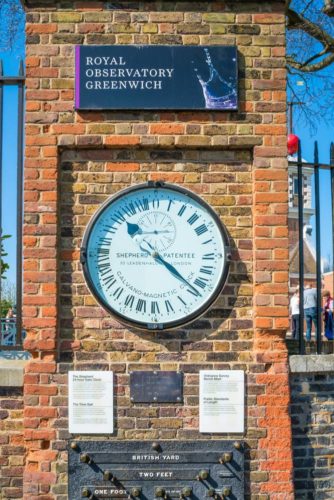
Greenwich Mean Time (GMT) was first established in the 19th century, creating a standard time that would be used across Britain. Before this time, each town would keep their own local time that was based on the position of the sun. This caused plenty of confusion, especially for things like the railway timetables, as the country became industrialised and transport routes were expanded through road and rail.
The Railway Clearing House adopted GMT in 1847 for all timetables, and this became legally recognised as the official UK time in 1880. GMT is used today as the standard time in the winter months, with British Summer Time (BST) used in the summer. GMT is also the basis for the global system of time, with all time zones timed in relation to GMT.
Set Your Reminders
Now you know the answer to ‘when do the clocks go back?’ We’re always keen to offer informational guides about all sorts of things that students must deal with when living away from home.
This includes tips on events and things to do in the town you are living in, information about events like National Nutrition Month, and basic informational guides like answering when do the clocks go back. Even though most of the technology we now use, such as our phones, smartwatches, and laptops, automatically change the time for us, it’s still handy to know why the clocks change and when they ‘fall back and spring forward’.
